


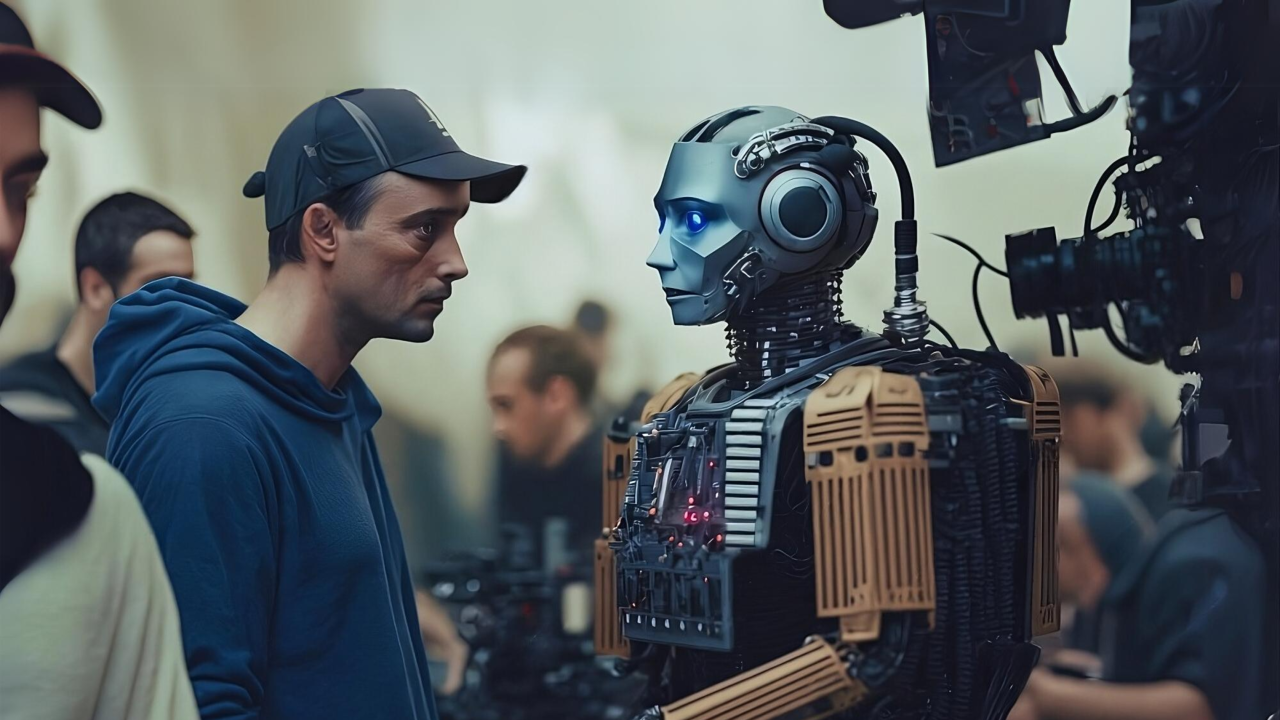
Artificial intelligence is revolutionizing film production, impacting scriptwriting, editing, visual effects, and audience engagement. AI-driven tools can analyze audience preferences, generate story ideas, and enhance visual quality, giving filmmakers new creative possibilities. Celebrities and directors are increasingly incorporating AI technology into their work, using digital assistants, virtual actors, and predictive analytics to reach global audiences. The combination of AI, technology, and celebrity influence is redefining cinema, offering innovative storytelling and personalized viewing experiences worldwide.
AI in Scriptwriting and Story Development
AI tools are now assisting in scriptwriting and story creation by analyzing successful narrative patterns and suggesting plot structures, dialogue, and character development. By leveraging data from past films, social media trends, and audience feedback, AI can help writers create content that aligns with current tastes while encouraging originality and experimentation.
This technology also aids in evaluating scripts for potential audience engagement, predicting box office performance, and optimizing storytelling elements. AI-supported creativity allows filmmakers to focus on artistic vision while using data-driven insights to refine content, reducing risks and improving project outcomes in the competitive global film industry.
AI in Visual Effects and Editing
Visual effects and post-production benefit significantly from AI, which accelerates rendering, color correction, and image enhancement. AI-driven editing software can identify key scenes, suggest cuts, and even automate repetitive tasks, allowing editors to work more efficiently. These innovations not only improve workflow but also expand creative possibilities, enabling filmmakers to experiment with complex visual sequences.
Additionally, AI assists in creating realistic digital characters and environments, enhancing storytelling in science fiction, animation, and fantasy genres. Virtual actors and AI-generated effects allow for immersive cinematic experiences, captivating audiences worldwide while reducing production costs and time.
Celebrity Influence on AI in Cinema
Celebrities play a major role in popularizing AI-driven film technologies through their involvement in high-profile projects and digital promotions. Star actors, directors, and producers using AI in filmmaking inspire both fans and industry professionals to explore technological integration. Social media and digital campaigns amplify this influence, encouraging broader adoption of AI tools in global cinema.
Celebrity-led AI innovations also demonstrate the potential for interactive storytelling and virtual performances. By engaging audiences with immersive content and behind-the-scenes insights, public figures highlight the evolving intersection of technology, creativity, and global entertainment culture.
Global Implications of AI in Film
AI in film extends beyond local production, influencing global distribution, marketing, and audience targeting. Predictive analytics help studios determine which markets are most receptive to certain films, optimize release schedules, and design targeted promotional campaigns. This data-driven approach enhances box office performance and ensures that films reach diverse international audiences.
Moreover, AI platforms allow for content localization, such as automatic translation, subtitling, and dubbing, making cinema more accessible worldwide. These tools facilitate cultural exchange and broaden viewership, ensuring that films resonate with audiences across regions while preserving artistic intent and narrative quality.
Ethical Considerations and Creative Integrity
The rise of AI in filmmaking raises questions about creative ownership, authenticity, and transparency. Digital actors, deepfake technology, and AI-generated content must be disclosed to avoid misleading audiences or violating intellectual property rights. Ethical practices ensure that both creators and viewers maintain trust in the artistic process.
Algorithmic bias is another concern, as AI-generated content may inadvertently favor certain genres, narratives, or cultural perspectives. Responsible deployment of AI requires inclusivity, transparency, and continuous oversight to protect creative integrity while maximizing technological benefits for global cinema.
FAQs
How is AI changing film production?
AI assists in scriptwriting, visual effects, editing, and audience analysis, enhancing creativity and efficiency in filmmaking.
Why are celebrities using AI in cinema?
Celebrities promote technological innovation, inspire adoption, and engage fans with immersive content and interactive storytelling.
What global impact does AI have on film?
AI enables market targeting, content localization, and cultural exchange, expanding film accessibility and audience engagement worldwide.
What ethical concerns exist in AI filmmaking?
Intellectual property, transparency, creative ownership, and algorithmic bias are primary ethical considerations.
How can AI be used responsibly in cinema?
Filmmakers should ensure transparency, inclusivity, intellectual property protection, and ethical disclosure of AI-generated content.
Conclusion
AI is transforming the film industry by enhancing creativity, streamlining production, and expanding global reach. Celebrities leveraging AI technology amplify innovation, inspire audiences, and redefine the boundaries of storytelling. The integration of AI into cinema offers immersive, personalized, and culturally diverse experiences, reflecting a new era of global entertainment.
As AI continues to advance, ethical considerations and creative integrity must remain central to its application. By prioritizing transparency, inclusivity, and responsible innovation, the film industry can harness AI to enrich global cinema while maintaining trust, authenticity, and cultural relevance.
