


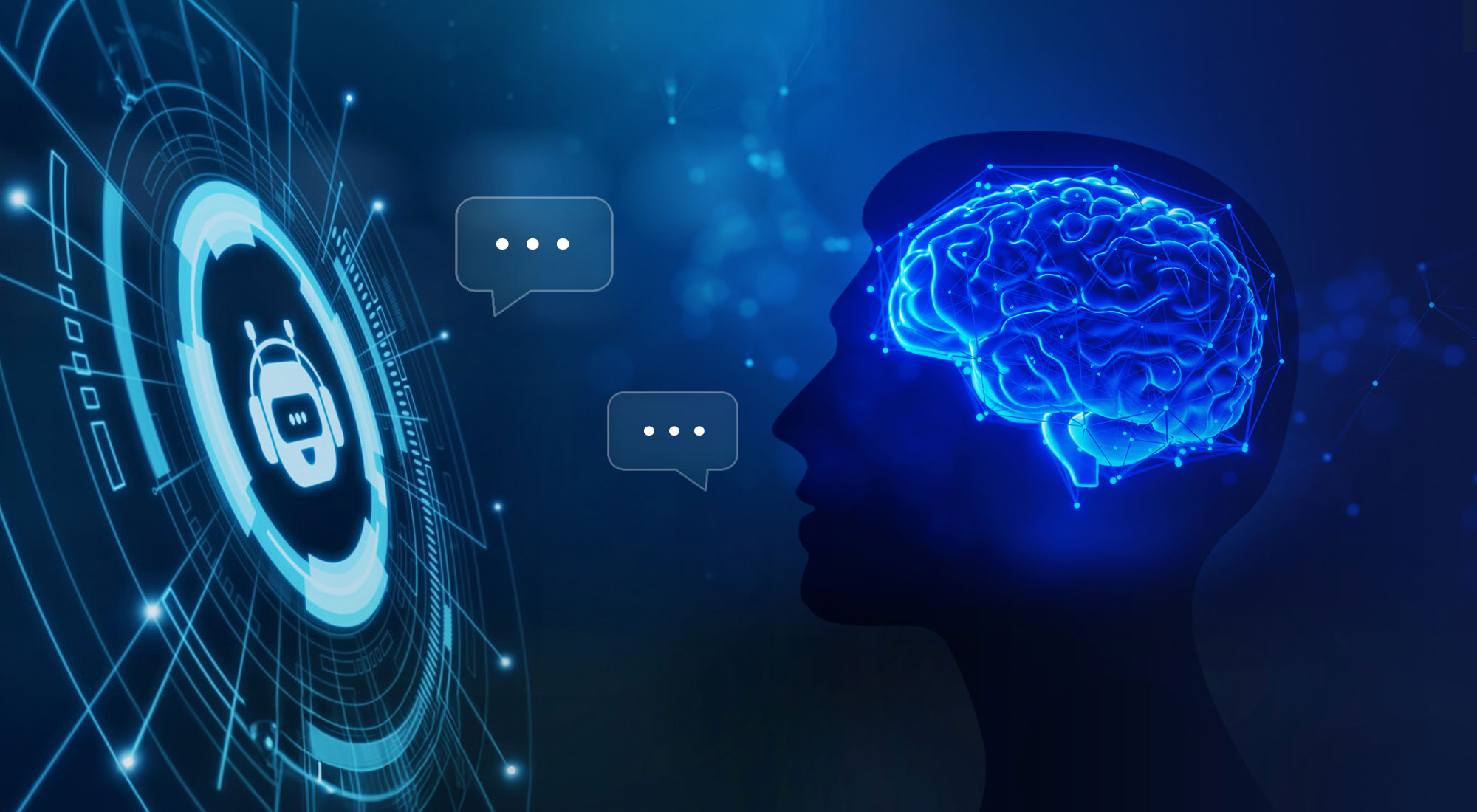
Artificial intelligence is transforming mental health care, offering new tools for diagnosis, therapy, and wellness tracking. AI-powered platforms can analyze patterns in mood, sleep, and social behavior, providing early insights and personalized support for individuals facing mental health challenges. Celebrities are increasingly promoting mental health awareness and AI-driven solutions, bringing global attention to the importance of emotional well-being. This intersection of AI, technology, and celebrity influence is reshaping cultural attitudes toward mental health, making support more accessible and widely accepted worldwide.
AI-Powered Mental Health Tools
AI applications in mental health provide real-time monitoring, virtual therapy sessions, and personalized coping strategies. By analyzing speech patterns, behavioral data, and biometric indicators, these tools can detect early signs of anxiety, depression, or stress, enabling timely interventions. Users receive recommendations for exercises, mindfulness practices, or professional support tailored to their specific needs.
Furthermore, AI-driven chatbots and virtual assistants offer round-the-clock support, making mental health resources accessible to individuals in remote or underserved areas. These tools complement traditional therapy by reducing barriers to care, providing confidentiality, and offering immediate guidance. As AI advances, it enhances both preventive and active mental health care on a global scale.
Celebrity Influence on Mental Health Awareness
Celebrities have become powerful advocates for mental health, leveraging AI and technology to reach wider audiences. Through social media campaigns, interviews, and partnerships with mental health platforms, public figures raise awareness about emotional well-being and promote AI-driven support tools. Their influence encourages fans to explore innovative solutions and destigmatizes seeking help for mental health challenges.
Celebrity endorsements also highlight the practical benefits of AI-based mental health tools. By sharing personal experiences and promoting responsible use of technology, public figures inspire communities worldwide to engage with mental wellness practices. This combination of visibility and advocacy strengthens the global conversation around mental health and digital innovation.
Global Implications of AI in Mental Health
AI mental health tools are contributing to global wellness by increasing access to care, supporting research, and informing public health initiatives. Governments, NGOs, and healthcare organizations utilize AI data to identify trends, allocate resources, and design preventive programs. These tools help address disparities in mental health care across different regions, enabling equitable access to support.
Additionally, AI-driven platforms facilitate cross-cultural understanding by tailoring content to local languages, norms, and practices. This approach ensures that mental health interventions are culturally sensitive while maintaining consistent quality and accuracy. By bridging technological innovation with global awareness, AI is redefining the scope and impact of mental health care worldwide.
Ethical Considerations and Data Privacy
While AI enhances mental health support, ethical considerations remain critical. Platforms collect sensitive data, including behavioral patterns, biometric information, and personal history, necessitating strict privacy protections and consent protocols. Transparency in data handling and clear user agreements are essential to maintaining trust and safety.
Algorithmic bias is another concern, as AI systems must provide equitable recommendations across diverse populations. Developers, mental health professionals, and celebrity advocates must ensure inclusivity, accuracy, and ethical use of AI tools. Responsible application of AI strengthens credibility, supports safe mental health interventions, and promotes trust in technology-driven care.
FAQs
How is AI improving mental health care?
AI analyzes behavior and biometric data to provide personalized interventions, early detection, and real-time mental health support.
Why are celebrities promoting AI mental health tools?
Celebrity advocacy raises awareness, destigmatizes mental health, and encourages fans to engage with innovative support solutions.
What global impact do AI mental health platforms have?
They increase access to care, inform public health strategies, and provide culturally adapted support for diverse populations.
What ethical concerns arise with AI in mental health?
Privacy, data security, and algorithmic bias are key concerns requiring responsible development and transparent practices.
How can users safely use AI mental health tools?
Users should verify the credibility of platforms, review privacy policies, and consult professionals when necessary to ensure safe engagement.
Conclusion
AI is revolutionizing mental health care by providing personalized support, accessibility, and global awareness. When combined with celebrity advocacy, technology drives cultural change, encourages proactive wellness practices, and reduces stigma associated with mental health. This integration of AI, tech innovation, and public influence represents a transformative approach to emotional well-being worldwide.
As mental health challenges continue to grow, ethical use, privacy protection, and inclusivity in AI-driven tools remain crucial. By adopting responsible practices, promoting transparency, and leveraging celebrity influence, societies can ensure that AI contributes to a healthier, more supportive, and globally aware approach to mental wellness.
